
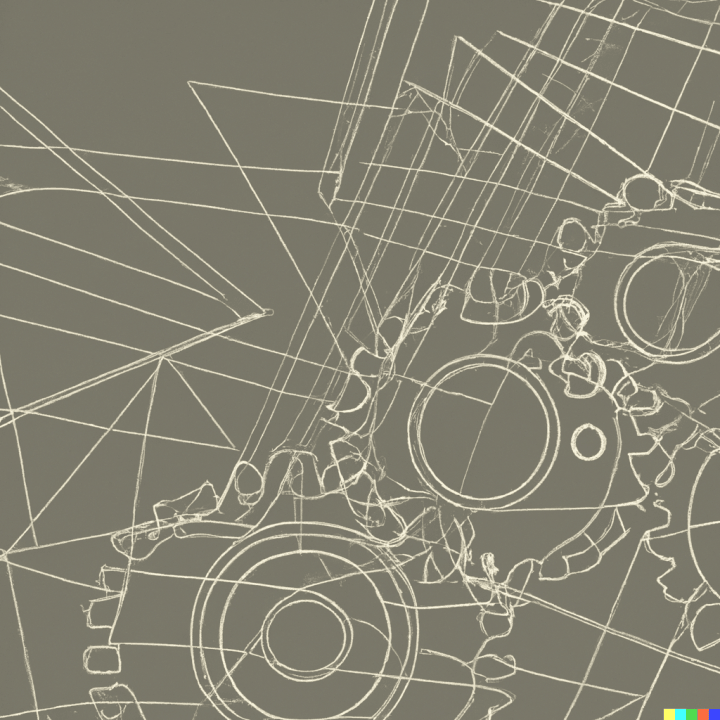
In modern industry, the mechanical automation is essential for more efficient and productive operations. By automating manual processes, businesses can improve product quality, reduce costs, and enhance safety. However, the Successful design of a mechanical engineering automation system and its implementation is a complex task that requires thorough planning and expertise.
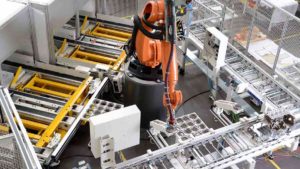
Steps in the design of a mechanical automation system:
-
Defining the requirements: The first step is to identify the processes and tasks to be automated. It is important to define the system’s objectives, the desired performance, the budget, and the available resources.
-
Preparing the system design: Once the requirements have been defined, the engineers prepare the system design. This design includes a list of the machines and equipment to be automated, the types of sensors and actuators, the control system, and the software requirements.
-
Selecting Hardware: The next step is to select the appropriate hardware based on the system design. This involves selecting sensors, actuators, controllers, and robotic arms.
-
Software Development: After selecting the hardware, software must be developed to control the system. The software must be capable of receiving data from the sensors, sending control signals to the actuators, and monitoring the system.
-
System Testing and Commissioning: After software development, the system must be tested to ensure it functions properly. Testing involves simulating the system under real-world operating conditions. Following successful testing, the system can be put into operation.
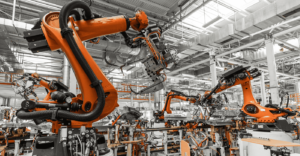
The benefits of designing a mechanical automation system:
- Increased productivity: Automated systems can perform tasks faster and more accurately than humans, which can lead to a significant increase in productivity.
- Improved quality: Automated systems produce products of more consistent quality, with fewer defects.
- Reduced costs: Automation can help reduce labor costs, energy consumption, and material usage.
- Enhanced security: Automated systems can reduce the risk of employee injuries by automating hazardous tasks.
Challenges in the Design of Mechanical Automation Systems:
- High initial investment: The installation of mechanical automation systems may require a significant initial investment.
- Lack of expertise: Specialized expertise is required for the design and operation of mechanical automation systems.
- Managing Changes: Changes in production processes or market demands may require additional investments and modifications to the automation system.
Summary:
Mechanical automation is an effective tool for improving productivity, quality, and safety, as well as for reducing costs. However, the successful design and implementation of a mechanical automation system requires thorough planning and expertise. By understanding the steps and challenges mentioned above,
If you have any questions, Get in touch with me today!